Orthodontics

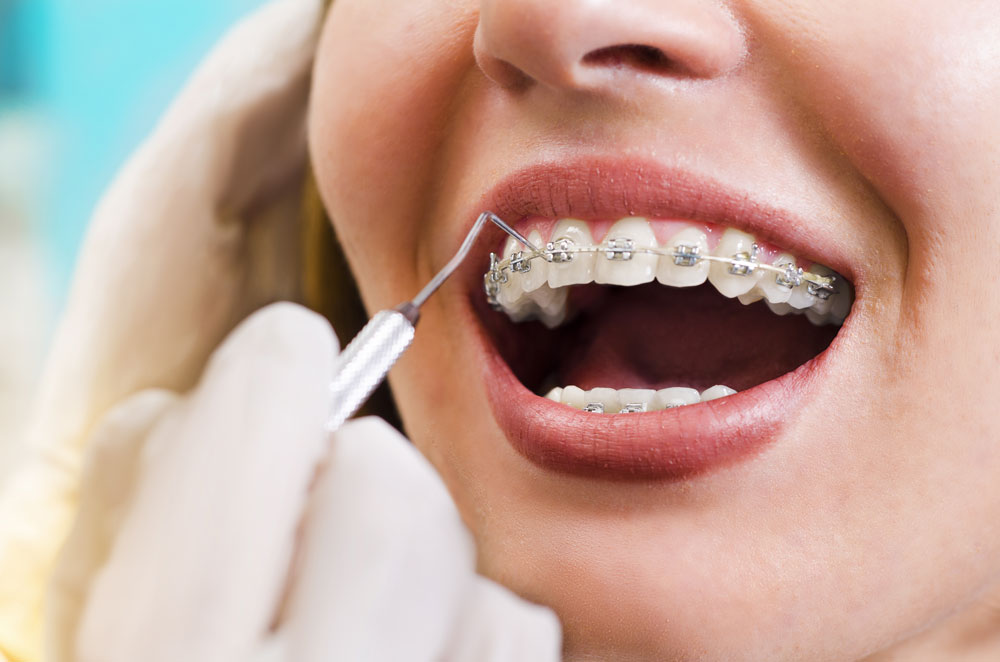
    Orthodontics is a branch of dentistry that aims to position the teeth and jaws in their ideal alignment. Irregularities in tooth positioning and bite relationships can affect not only facial aesthetics but also chewing function and overall oral health. Orthodontic treatment focuses on correcting these discrepancies.

    Orthodontic examination and treatment can be performed at any age. Based on the individual’s current condition, the timing and scope of treatment are planned accordingly. The ages of 6–7 represent a particularly informative period for evaluating jaw development and the eruption process of the teeth. An orthodontic examination at this stage can help identify potential problems early and guide future treatment planning.

    YIn adult patients, orthodontic treatment is carried out to improve bite balance and to achieve both aesthetic and functional harmony. Treatment planning is individualized according to the existing dental and occlusal conditions.

    During treatment planning, fixed orthodontic appliances, removable appliances, and clear aligners may be preferred. The treatment method and duration vary depending on the patient’s needs and the severity of the problem. Regular follow-up visits and proper oral hygiene are important for achieving successful and long-lasting results.

    Clear aligner treatment allows greater flexibility in follow-up scheduling compared to fixed orthodontic appliances. Since aligners are provided in a planned sequence, treatment can be monitored with longer intervals between in-person visits. After delivery of the aligners, control appointments can be arranged at 3–4 month intervals, depending on the treatment protocol. This approach enables patients living abroad to continue their orthodontic treatment with planned visits while maintaining effective clinical control.

    Frequently Asked Questions

    Orthodontic treatment is not only performed to straighten your teeth but also to protect your oral health. Crowded or misaligned teeth can affect chewing and speech as well as cause aesthetic concerns. Inadequate chewing may lead to digestive problems, while an improper bite can cause pain in the jaw joints and chewing muscles. In addition, crowded teeth are more difficult to clean. This may increase the risk of cavities between the teeth and gum problems. Orthodontic treatment helps you achieve both a healthy mouth and a beautiful smile.

    The recommended age for the first orthodontic examination is between 6 and 7 years of age, when the permanent teeth begin to erupt. During this examination, jaw development, the eruption pattern of the teeth, and the bite relationship are evaluated. Not every child needs to start treatment at this age. Most children are followed at regular intervals, and treatment is started at the most appropriate time. However, if a skeletal or functional problem is detected, treatment can be started earlier. Adolescence is a crucial window of opportunity for treatment, especially for problems involving jaw development. Some skeletal problems that are not treated during this period may only be corrected with jaw surgery in later ages.

    Age alone is not a barrier to orthodontic treatment. As long as you have healthy teeth and gum tissues, orthodontic treatment with braces or clear aligners can be applied at any adult age. Some problems related to jaw development can be treated more successfully during childhood and adolescence. If advanced jaw discrepancies are not treated during this period, they may require jaw surgery in addition to orthodontic treatment in adulthood. On the other hand, crowded teeth, spacing, and bite problems can be successfully corrected with orthodontic treatment regardless of age. For this reason, the thought of "I'm too late for orthodontic treatment" is often not true.

    During your first visit, an intraoral examination will be performed and your bite will be evaluated. In order to plan your treatment, intraoral and facial photographs, along with the necessary X-rays, will be taken. Your oral hygiene is also assessed during this visit. If there are any procedures that need to be completed before starting orthodontic treatment—such as cavity treatments (fillings) or professional teeth cleaning—you will be informed about them. After all evaluations are completed, you will receive general information about your orthodontic problem, possible treatment options, the estimated treatment time, and the points you should pay attention to during treatment. This also gives you the opportunity to ask any questions you may have before starting treatment.

    The duration of orthodontic treatment varies from person to person. It depends on your age, the severity of the problem affecting your teeth and jaws, the relationship between your upper and lower jaws, and the treatment method being used. Good oral hygiene, attending your appointments regularly, and wearing any prescribed appliances or elastics as instructed are also very important for your treatment to progress as planned. Some orthodontic problems in children require treatment in two phases. Although this may result in a longer overall treatment time, it allows treatment to be planned according to the child's growth and development, helping to achieve more successful and long-lasting results.

    Tooth extraction is not necessary for every orthodontic patient. The decision depends on the amount of crowding, the relationship between the jaws, your facial profile, the position of your teeth, and the desired treatment outcome. It is always made on an individual basis. For some patients, tooth extraction may be the best treatment option to create enough space and position the teeth correctly. For others, treatment can be planned using different orthodontic techniques without the need for extractions. For this reason, the decision to extract teeth is made only after your examination and all necessary records have been evaluated, based on the treatment plan that will provide the healthiest and most aesthetic result for you.

    Oral care during braces treatment Braces and brackets make it easier for dental plaque to accumulate on the teeth. For this reason, it is important to brush your teeth more frequently and more carefully than usual. Special attention should be paid to cleaning around the brackets and along the gum line. During braces treatment, cleaning between the teeth should be done using interdental brushes. Regular cleaning of these areas plays an important role in preventing cavities between the teeth and gum problems. Oral care during clear aligner treatment With clear aligner treatment, your oral care routine generally continues as usual. Teeth should be brushed regularly, and interdental cleaning should not be neglected. Since aligners are removed while eating, teeth must be cleaned after every meal before putting the aligners back in. This is vital both for maintaining dental health and for ensuring the hygienic use of the aligners. Good oral hygiene helps your treatment progress smoothly and contributes to a healthy, beautiful smile at the end of treatment.

    The frequency of your check-up appointments depends on the type of treatment you are receiving and how your treatment is progressing. With braces, check-up appointments are usually scheduled every 4–6 weeks so that tooth movement can be monitored and any necessary adjustments can be made. With clear aligners, follow-up appointments can be scheduled further apart as long as treatment is progressing as planned. If close monitoring is not required, appointments can usually be arranged every 2–3 months. This can be particularly convenient for patients travelling from another city or from abroad. Since every treatment plan is different, your orthodontist will determine the most appropriate appointment schedule for you.

    Yes. Pregnancy alone is not a barrier to orthodontic treatment. If you have already started treatment with braces or clear aligners, it can safely continue with regular check-up appointments. During pregnancy, hormonal changes may make your gums more sensitive, so paying extra attention to your oral hygiene is important. In addition, unnecessary X-rays are avoided during treatment planning, and all procedures are planned with your pregnancy in mind. If you are planning a pregnancy or find out that you are pregnant during treatment, it is important to inform your orthodontist so your treatment can continue in the most appropriate way.

    Having braces placed does not hurt. However, during the first few days after they are fitted, or after adjustment appointments, you may experience mild soreness or pressure as your teeth begin to move. This is completely normal and usually goes away on its own within a few days. Contrary to what many people think, orthodontic treatment is not a painful process to be afraid of. Most patients adapt to this temporary situation very quickly and continue their daily lives without difficulty.

    During the first few days after getting braces, you may notice a slight change in your speech or experience some irritation on the inside of your lips and cheeks. However, the soft tissues inside your mouth are highly adaptable and usually adjust to your braces within a short time. Most patients return to speaking normally and continue their daily routine within a few days. Braces do not prevent you from going to work or school, enjoying social activities, or playing sports. This short adjustment period is temporary, and before long you will hardly notice that your braces are there.

    You do not need to follow a special diet during braces treatment. However, to avoid damaging your brackets and wires, it is recommended to avoid very hard, crunchy, and sticky foods. Foods such as apples and carrots should be cut into small pieces rather than bitten into directly. You should also avoid biting on nuts, hard candy, or ice. Sticky foods such as chewing gum and caramel should be avoided whenever possible, as they may cause your brackets to come loose. As long as you follow these simple precautions, you can continue enjoying your normal diet.

    Clear aligner treatment is a comfortable and aesthetic option that can successfully treat many orthodontic problems. Whether it is the most suitable treatment for you can only be determined after your examination and the evaluation of the necessary records. The success of clear aligner treatment largely depends on patient compliance. Wearing your aligners for the recommended number of hours each day helps your treatment progress as planned. For this reason, both your orthodontic condition and your daily lifestyle are taken into consideration when planning your treatment. The most suitable treatment option for you will be determined based on your expectations, your clinical needs, and your lifestyle.

    For clear aligners to work effectively, they should be worn for 20–22 hours a day. They should only be removed while eating and brushing your teeth. The success of treatment largely depends on wearing your aligners as instructed. Wearing them for fewer hours than recommended may prevent your teeth from moving as planned and can increase the overall treatment time. Making your aligners part of your daily routine is one of the most important factors in achieving a predictable and successful treatment outcome.

    It is not recommended to eat while wearing your clear aligners. Chewing can distort the aligners and affect the way your treatment progresses. Beverages other than water, such as tea, coffee, fruit juice, and other coloured drinks, may stain both your teeth and your aligners. In addition, sugary and acidic drinks trapped inside the aligners can increase the risk of tooth decay. For this reason, it is recommended to wear your aligners only when drinking water and to remove them before eating or drinking anything else.

    Both clear aligners and braces are well-established orthodontic treatment methods that can achieve excellent results when used for the right indications. Which option is more suitable depends on your teeth, jaw structure, the type of orthodontic problem you have, and your lifestyle. Because braces are fixed to your teeth, their effectiveness does not depend on patient compliance. With clear aligners, however, a significant part of the treatment success depends on wearing the aligners for the recommended amount of time each day. After your examination, the most appropriate treatment option for you will be selected to achieve the best possible functional and aesthetic outcome.

    The duration of clear aligner treatment depends on the number of aligners planned and how your teeth respond to treatment. For this reason, it is not correct to say that clear aligner treatment is always shorter than braces treatment. Some cases can be completed in a shorter period, while more complex cases or those requiring refinement may take just as long as braces treatment. The estimated duration of your treatment will be evaluated individually after your examination and treatment planning.

    Once orthodontic treatment is completed, retention is necessary to help keep your teeth in their new positions. Depending on your individual needs, this may involve a fixed retainer (a thin wire bonded behind your teeth), a removable clear retainer, or a combination of both. To maintain your treatment results for many years, it is important to take good care of your fixed retainer and wear your removable retainer exactly as instructed. Losing, breaking, or not wearing your retainer for an extended period may allow unwanted tooth movement to occur. If your retainer becomes loose, breaks, or your removable retainer is lost, you should contact your orthodontist as soon as possible to help preserve your treatment result.

    The length of time you will need to wear your removable retainer varies from person to person. During the first phase after treatment (6–12 months), it is recommended to remove it only while eating and brushing your teeth. After that, wearing it at night is usually sufficient. To help maintain your treatment results, long-term nighttime wear is recommended. Your orthodontist will determine the most appropriate wearing schedule for you.

    Attending your scheduled check-up appointments is an important part of keeping your orthodontic treatment progressing as planned. During these visits, your tooth movement is evaluated and the next stage of your treatment is carried out. Frequently postponing or missing appointments may cause your treatment to take longer than expected. If you are unable to attend your appointment, we recommend contacting our clinic as soon as possible to arrange a new one.